
Ledger.com/Start® | Getting Started™ | Ledger®®
Ledger.com/start – Start your Ledger hardware wallet experience with useful guidance for device configuration, Ledger Live connectivity, account creation, and supported cryptocurrency management.
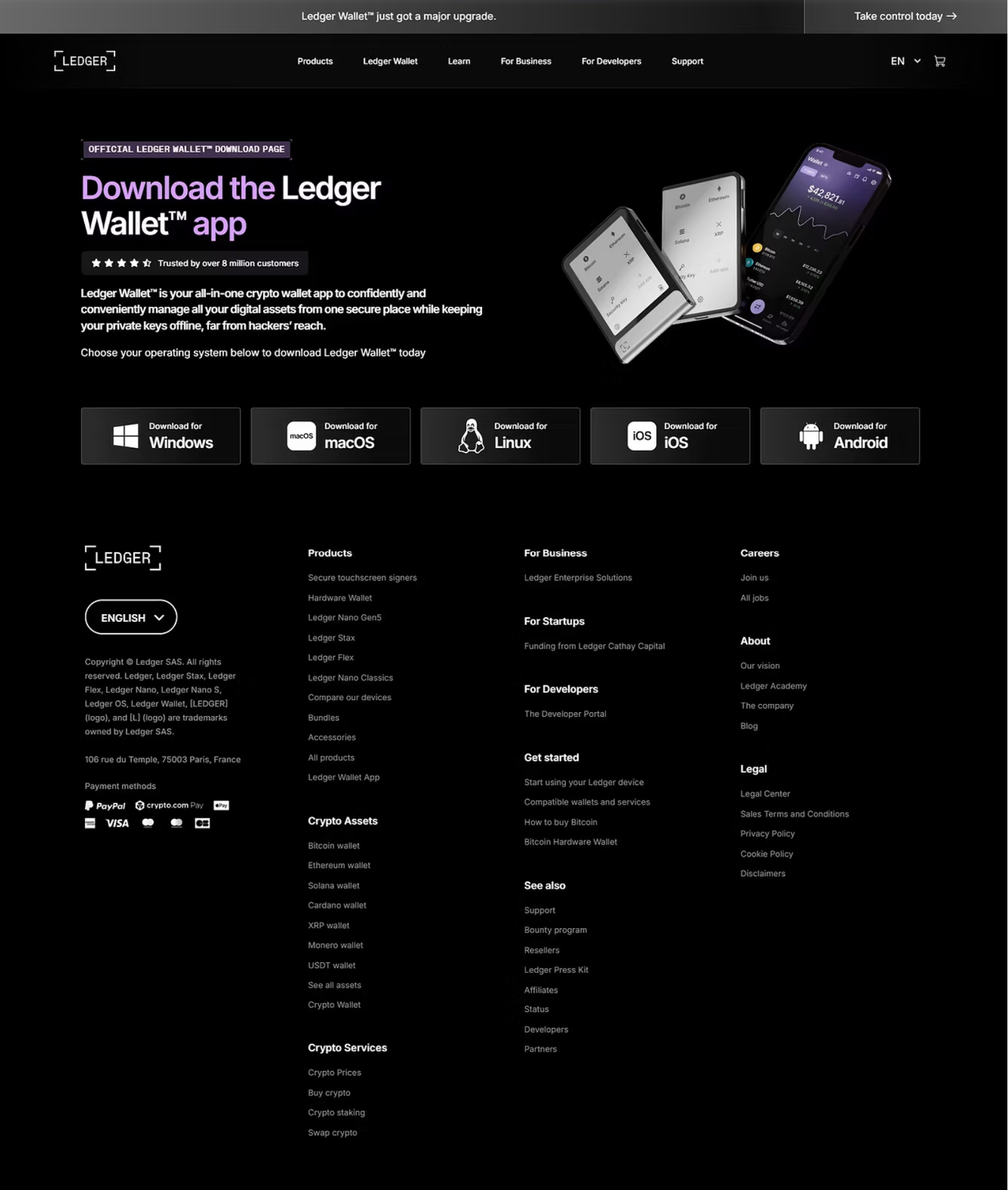
Ledger.com/start – Official Ledger Wallet Setup Guide
Getting started with cryptocurrency requires more than choosing a digital asset. Protecting your private keys and securing access to your wallet are essential parts of responsible crypto management. Ledger.com/start serves as the official starting point for users who want to set up a Ledger hardware wallet and begin managing supported digital assets.
Whether you have purchased a new Ledger device or are returning to an existing wallet, following the official setup instructions can help you configure your device correctly and establish important security practices from the beginning.
What Is Ledger.com/start?
Ledger.com/start is Ledger's official starting point for hardware wallet setup. It helps users understand the initial configuration process, connect their Ledger device, access the appropriate official software, and prepare their wallet for cryptocurrency management.
Using the correct website is important because fraudulent pages can imitate cryptocurrency companies and attempt to obtain sensitive wallet information. Always check the website address before installing software or entering confidential information.
Getting Started With Your Ledger Device
Setting up a Ledger hardware wallet is designed to be a guided process. Before you begin, make sure your device is available and that you are using a compatible computer or mobile device.
Step 1: Open Ledger.com/start
Begin by entering Ledger.com/start directly into your browser. Check the domain carefully and avoid unofficial links received through unexpected emails, social media messages, or other sources.
Step 2: Connect Your Hardware Wallet
Connect your Ledger device to your computer or compatible mobile device using the required connection method. Once connected, follow the instructions presented by the official Ledger setup process.
Step 3: Configure Your Device
Depending on your Ledger model and whether it is new or previously configured, the setup process may involve initializing the device or preparing it for an existing wallet. Follow the instructions carefully rather than relying on third-party setup guides.
Step 4: Set Up Your Recovery Backup
A new wallet may generate a recovery phrase during the configuration process. This backup is extremely important because it can be used to recover access to your wallet under supported circumstances.
Store Your Recovery Phrase Safely
Write down your recovery phrase using the recommended method and keep it in a secure offline location. Never share it with anyone. Do not enter it into websites, messaging apps, cloud storage, or forms unless an official recovery procedure specifically requires it.
Why Choose a Ledger Hardware Wallet?
Hardware wallets are designed to provide an additional security layer for cryptocurrency self-custody. A dedicated physical device can help protect sensitive private-key operations while allowing users to approve transactions.
Manage Digital Assets With Greater Control
Self-custody means taking responsibility for your cryptocurrency keys instead of relying entirely on a third-party custodian. Ledger hardware wallets are designed to support this approach while giving users tools for managing their accounts and transactions.
Review Transactions Before Approval
When making a transaction, carefully check the information presented on your Ledger device. Verifying the destination and transaction details before confirmation can help reduce the chance of approving an unintended transfer.
Important Security Practices for Ledger Users
Correct setup is only the first part of maintaining wallet security. Good security habits should continue whenever you use your device.
Use Official Ledger Resources
Download Ledger software and obtain setup instructions through official Ledger channels. Avoid unofficial applications, browser extensions, and websites that claim to provide Ledger support.
Watch for Phishing Attempts
Phishing scams can use fake websites, advertisements, emails, and support messages to imitate legitimate cryptocurrency services. Be especially cautious of anyone asking for your recovery phrase, PIN, passwords, or other confidential wallet information.
Keep Your Device and Backup Secure
Protect your physical Ledger device and store its recovery information separately in a secure location. Anyone who gains access to your recovery information may potentially be able to access the associated wallet.
Complete Your Ledger Setup With Confidence
Ledger.com/start provides the official starting point for configuring a Ledger hardware wallet and learning the essential steps involved in cryptocurrency self-custody. Taking time to verify the official website, follow setup instructions carefully, protect your recovery phrase, and review transactions can help you establish safer cryptocurrency management practices.
Always remember that your recovery information is private. Treat it as highly sensitive information and never disclose it to websites, applications, or individuals claiming to offer assistance.
Updated about 3 hours ago