
Ledger.com/Start® | Getting Started™ | Ledger®®
Ledger.com/start – Discover a simple Ledger setup journey with information about hardware wallet initialization, Ledger Live, account organization, transactions, and responsible security practices.
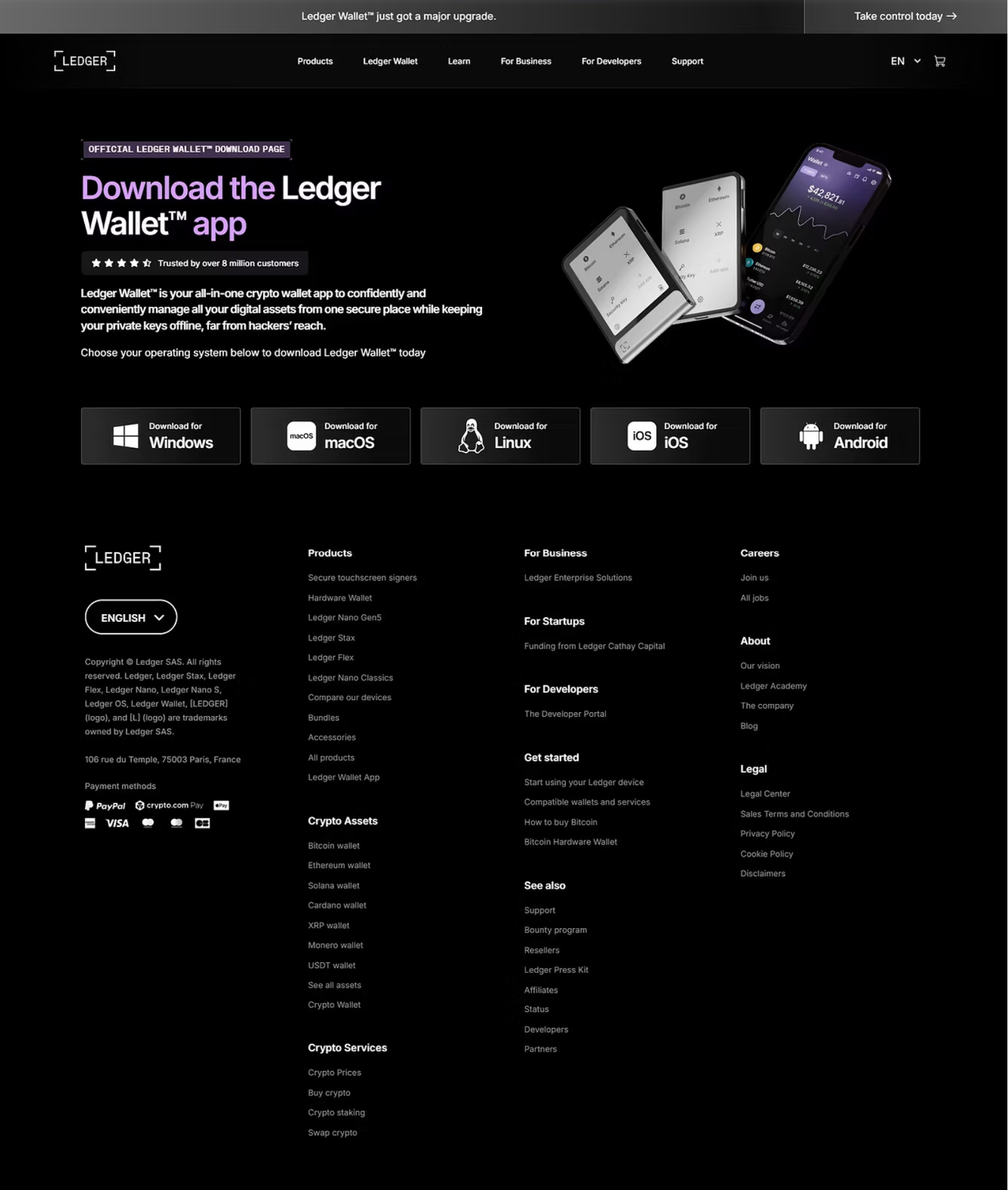
Ledger.com/start – Your Guide to Setting Up a Ledger Wallet
Managing cryptocurrency securely begins with protecting the private keys that control your digital assets. A Ledger hardware wallet is designed to provide an additional layer of security by keeping sensitive wallet information protected on a dedicated device. Ledger.com/start provides the official starting point for setting up your Ledger device and getting ready to manage supported cryptocurrencies.
Whether you are purchasing your first hardware wallet or moving from another wallet, following the official setup process carefully can help you avoid common security mistakes.
Why Start With Ledger.com/start?
The cryptocurrency ecosystem includes many websites, applications, and services that can look similar. Unfortunately, scammers often create fake wallet pages designed to steal passwords, private information, or recovery phrases.
Using Ledger.com/start helps you begin with an official Ledger resource. From there, you can follow the appropriate instructions for your device and learn how to configure your wallet securely.
Prepare Your Ledger Device
Before starting, have your Ledger hardware wallet available along with a compatible computer or mobile device. Make sure your internet connection is trusted and that you can complete the setup without interruptions.
Never purchase or use a device that appears to have been previously configured for someone else. If anything about your device or its packaging seems suspicious, consult official Ledger support resources before continuing.
How to Complete Your Ledger Wallet Setup
Step 1: Open the Official Ledger Start Page
Enter Ledger.com/start directly into your browser. Carefully inspect the website address before proceeding. Avoid relying on links from unexpected emails, advertisements, social media messages, or online forums.
Phishing sites can closely imitate legitimate cryptocurrency websites, so checking the address is an important first security step.
Step 2: Connect and Identify Your Device
Connect your Ledger hardware wallet according to the instructions for your model. The official setup process will help you identify the device and continue with the appropriate configuration.
Pay attention to information displayed on the physical Ledger device. When a security-sensitive action requires confirmation, review the details before approving it.
Step 3: Follow the Software Setup Instructions
Use the official Ledger software recommended for your device to continue the configuration process. Depending on your device and operating system, the installation and connection process may differ.
Keep Your Software Updated
Software updates can include security improvements, bug fixes, and compatibility enhancements. Only install updates obtained through official Ledger channels, and be cautious of unexpected messages asking you to install unfamiliar wallet software.
Step 4: Secure Your Recovery Phrase
During the creation of a new wallet, your device will provide a recovery phrase. This information is extremely important because it can be used to restore access to your cryptocurrency wallet.
Write the recovery phrase down exactly as instructed and keep it somewhere secure and private.
Never Share Your Recovery Phrase
Your recovery phrase should never be shared with another person. Do not send it through email or messaging apps, upload it to websites, or enter it into online forms. Be especially cautious of anyone claiming to be technical support and asking for your recovery phrase.
How Ledger Helps Protect Digital Assets
A hardware wallet is designed to keep private keys isolated from many of the risks associated with internet-connected devices. With a Ledger wallet, users can approve important operations directly through their physical device.
This approach gives cryptocurrency owners greater control over how their assets are accessed and transactions are authorized. However, hardware security works best when combined with responsible user practices.
Essential Ledger Security Practices
Check Transaction Details
Before approving a transaction, carefully review the address and other details displayed on your Ledger device. If something looks unfamiliar or different from what you intended, stop and investigate before confirming.
Avoid Fake Support Accounts
Scammers may impersonate cryptocurrency companies through social media, email, or messaging platforms. Never provide sensitive wallet information to unsolicited contacts.
Use Official Resources
For downloads, updates, troubleshooting, and wallet setup instructions, rely on official Ledger resources. Avoid unofficial applications, browser extensions, and websites that request confidential wallet information.
Begin Your Ledger Journey With Confidence
Setting up a Ledger hardware wallet does not have to be complicated. By starting at Ledger.com/start, following the official instructions, and protecting your recovery phrase, you can establish a strong foundation for managing your digital assets.
Take your time during setup and verify important information directly on your Ledger device. Good security habits are just as important as the hardware itself, helping you maintain greater control over your cryptocurrency for the long term.
Updated about 3 hours ago